Newsroom2025-02-18T09:24:00+00:00

THE NEWSROOM

Media Training Update w/c 23rd March

“Um…was I OK?”


Edition 528

Good morning, it’s Monday 23rd March.

“It’s staggering that this 103-year-old organisation has had 17 director generals and they were all guess what? Ah yes. Men,” 
The words of the legendary Dame Jenni Murray,
who died last week.


In other news…

Barring an eleventh hour twist, former Google exec (and man) Matt Brittin will be the next. More on this next week.

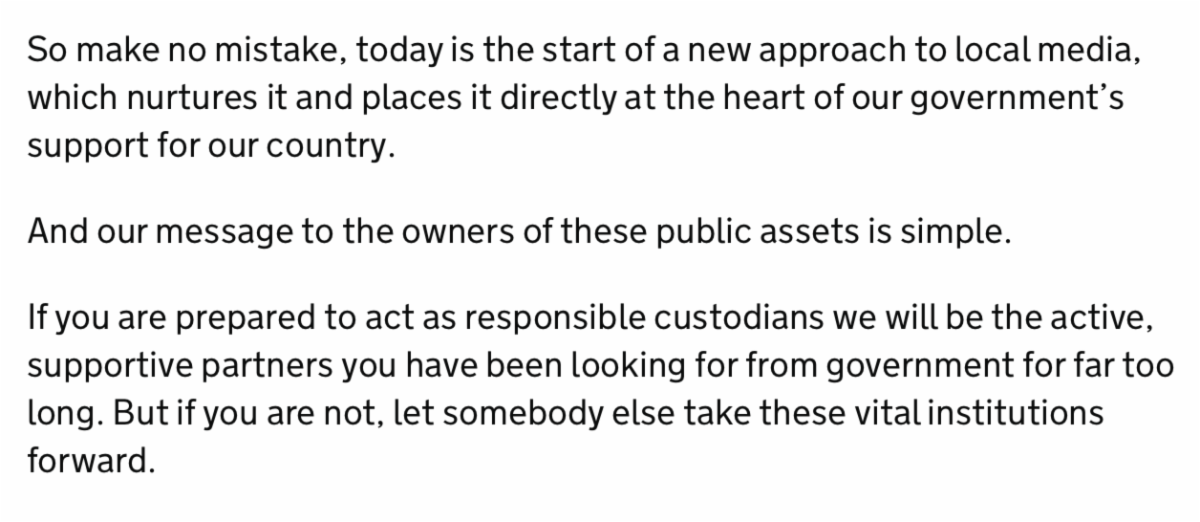
Culture Secretary Lisa Nandy’s speech to the Society of Editors is worth a quick read.

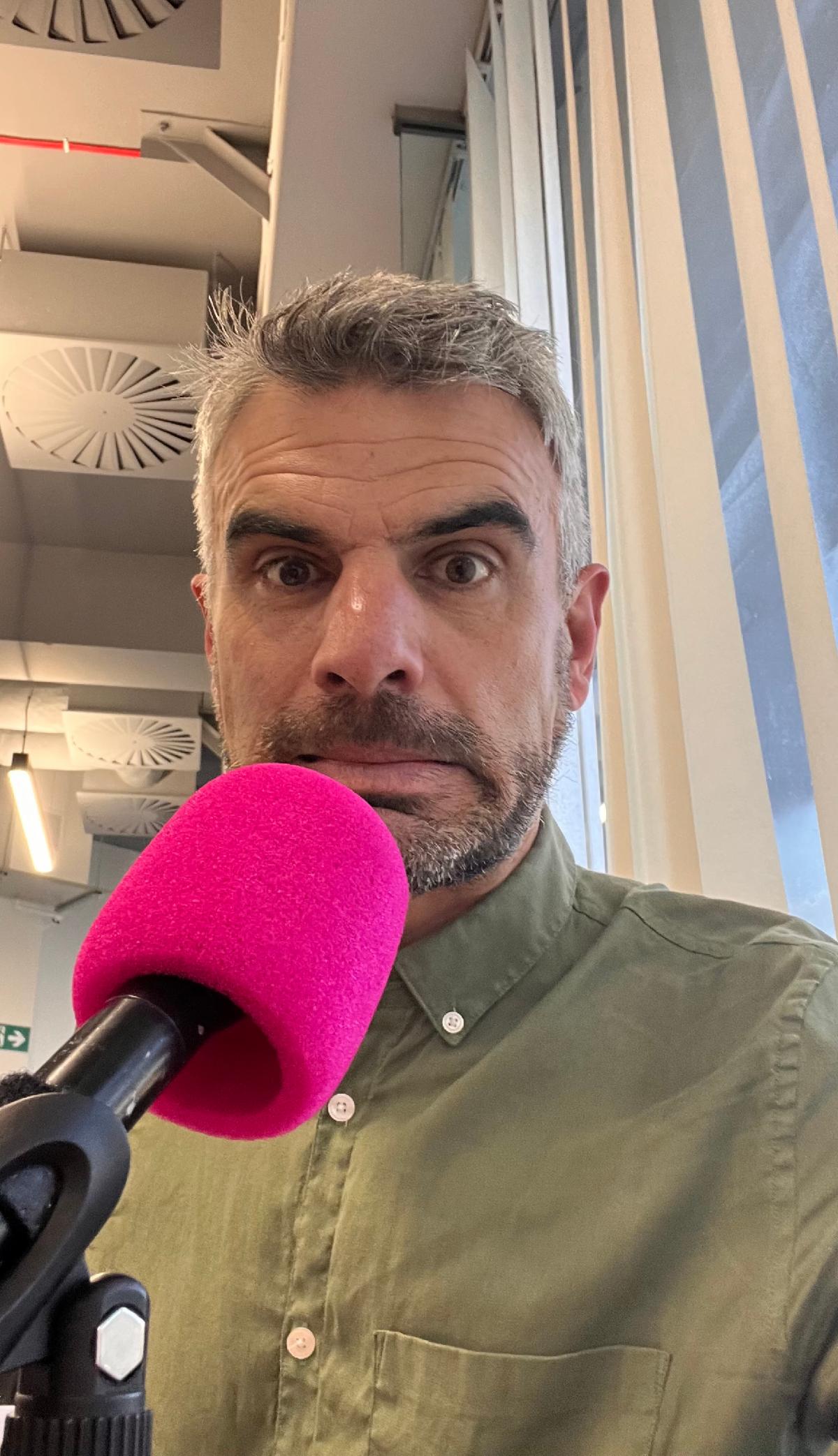
“I have a phobia of foam” was a new one on me last week, but hey – media training remains nothing if not surprising. The mic cover was removed ahead of the interview and disaster narrowly averted…

The war in the Middle East will continue to dominate the news agenda, however also in the diary for this week…

Monday
: Keir Starmer questioned by Liaison Committee on Iran and economic security. 

WMO publishes State of the Climate report.

Tuesday: BAFTA television awards nominations.


Wednesday: UK inflation figures.


Thursday: Joint Expeditionary Force leaders, likely including Keir Starmer, meet in Finland.


Friday: England Men v Uruguay football friendly


Saturday: One month since the start of the Iran war.

“Um…was I ok?” 


I know that getting honest, constructive feedback after going on air isn’t easy. Here are five options to weigh up:


1) The producer

Possible but unlikely. Producers are busy and won’t prioritise feedback. Ask when the initial bid is made from the journalist. “I’m happy to do the interview but I’d really appreciate some feedback”.

2) Your press officer

Sometimes reluctant to feedback negatively, particularly if they are in a more junior role to you. One tip is to ask for 2 positive and 2 negative comments from the interview.

3) A critical friend

Someone completely unrelated to your topic – did the language work for them? Did the story have sufficient impact?

4) Listeners/Viewers

Social media is a very warped filter from which to glean feedback, so take comments with a large bucket of salt, but observations can occasionally be extremely perceptive and well-informed.

5) You

Always listen and watch back interviews you undertake. Virtually all programmes are online after broadcast. Critique yourself fairly but don’t forget to reflect on the positives. We tend to skate over the good stuff.

The government will increase funding of the BBC World Service over the next three years. The Foreign Office will boost funding by an additional £11m per year for the next three years – a total of £33m and an 8% increase on the previous year’s government contribution.

WS “offers clarity, accuracy and an independent voice where reliable information is increasingly difficult to access”. Foreign Secretary Yvette Cooper

Footnotes:


Seen
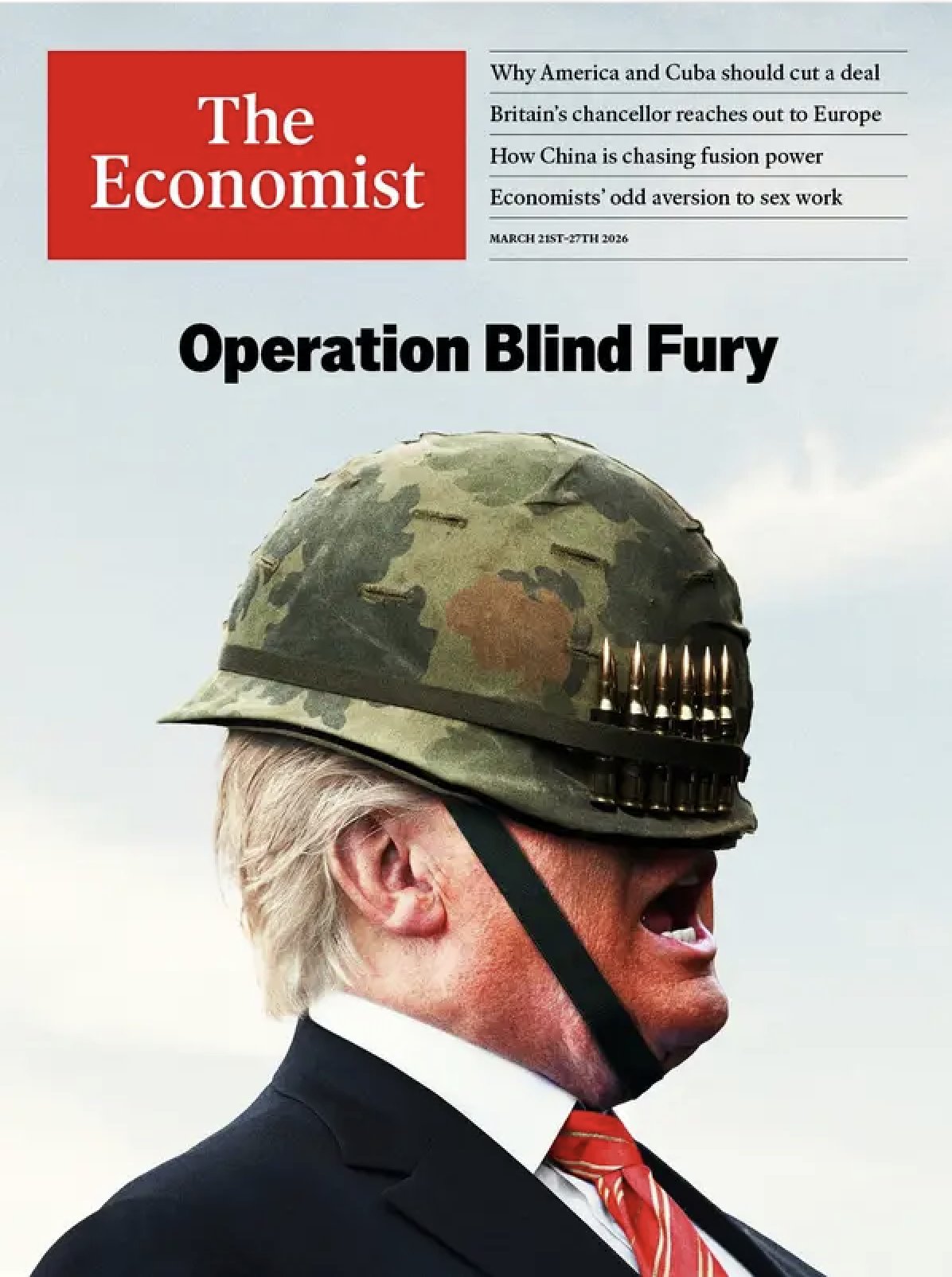
The Economist front cover?

“GB News has essentially become Reform TV. The broadcasting regulator, Ofcom, has more or less given up the ghost. And Nigel Farage is laughing all the way to the bank.”

Alan Rusbridger’s investigation into GB News is well worth a read

On This Day: The government banned all animal transport to contain an outbreak of foot-and-mouth disease on this day in 1981.


Our Week:
Exeter (deliciously via a rail replacement bus) and Brighton for us.

The Mutt Photo: 

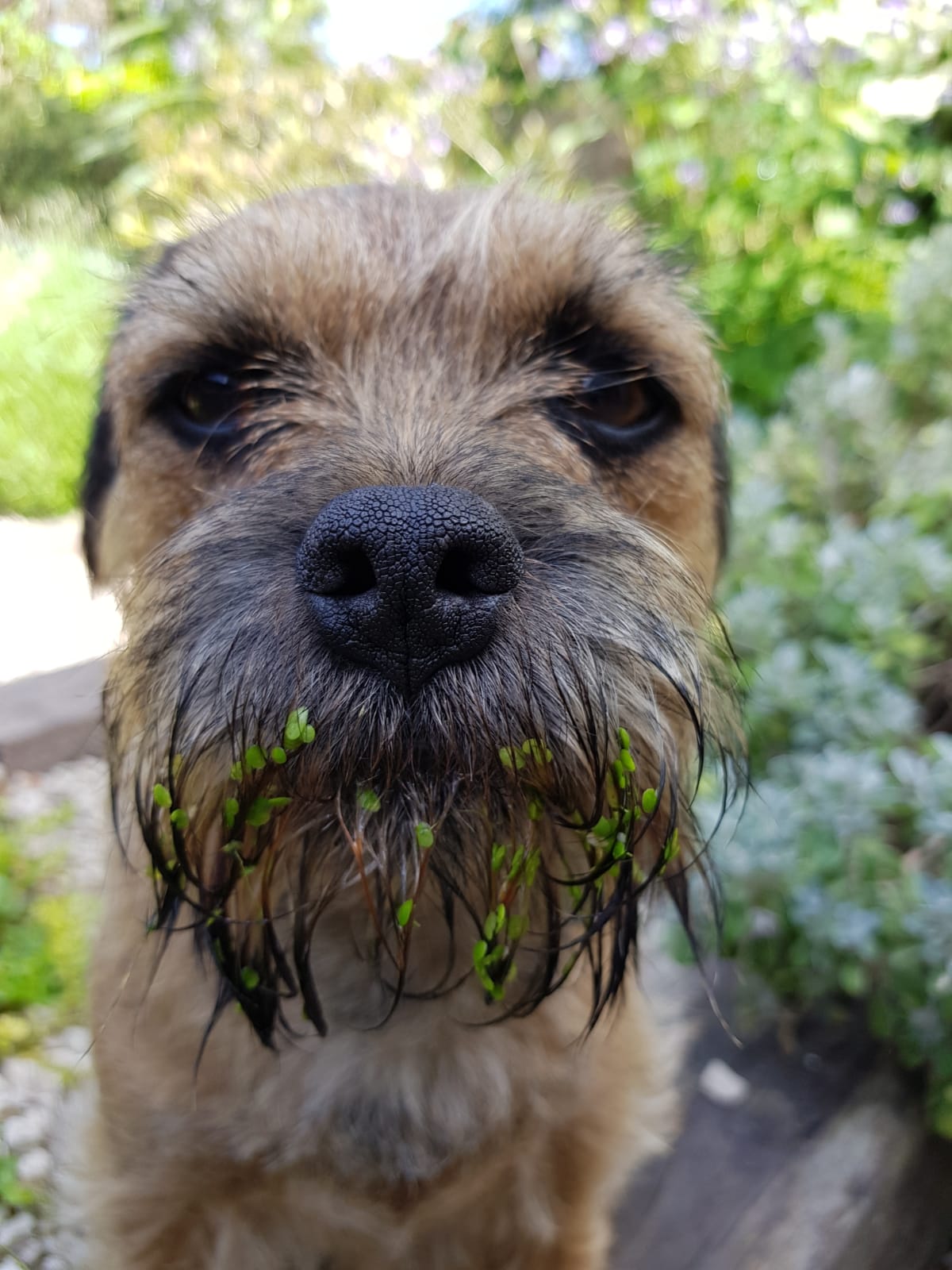
Stan has been pretty poorly this week – he’s nearly 14 after all – so here’s a photo of him in much younger days to cheer the spirits…

Be part of the MMB. Thoughts on this week’s content, or interviews you’ve seen, heard, or (best of all) done, please let us know.

Back next Monday. Have a super week.

All at Inside Edge

LinkedIn  Twitter

Inside Edge Training | The Centre, 201-203 London Road | East Grinstead , RH19 1HA GB

By |23 March 2026|

Media Training Update w/c 16th March

Tightropes and Canyons


Edition 528

Good morning, it’s Monday 16th March.

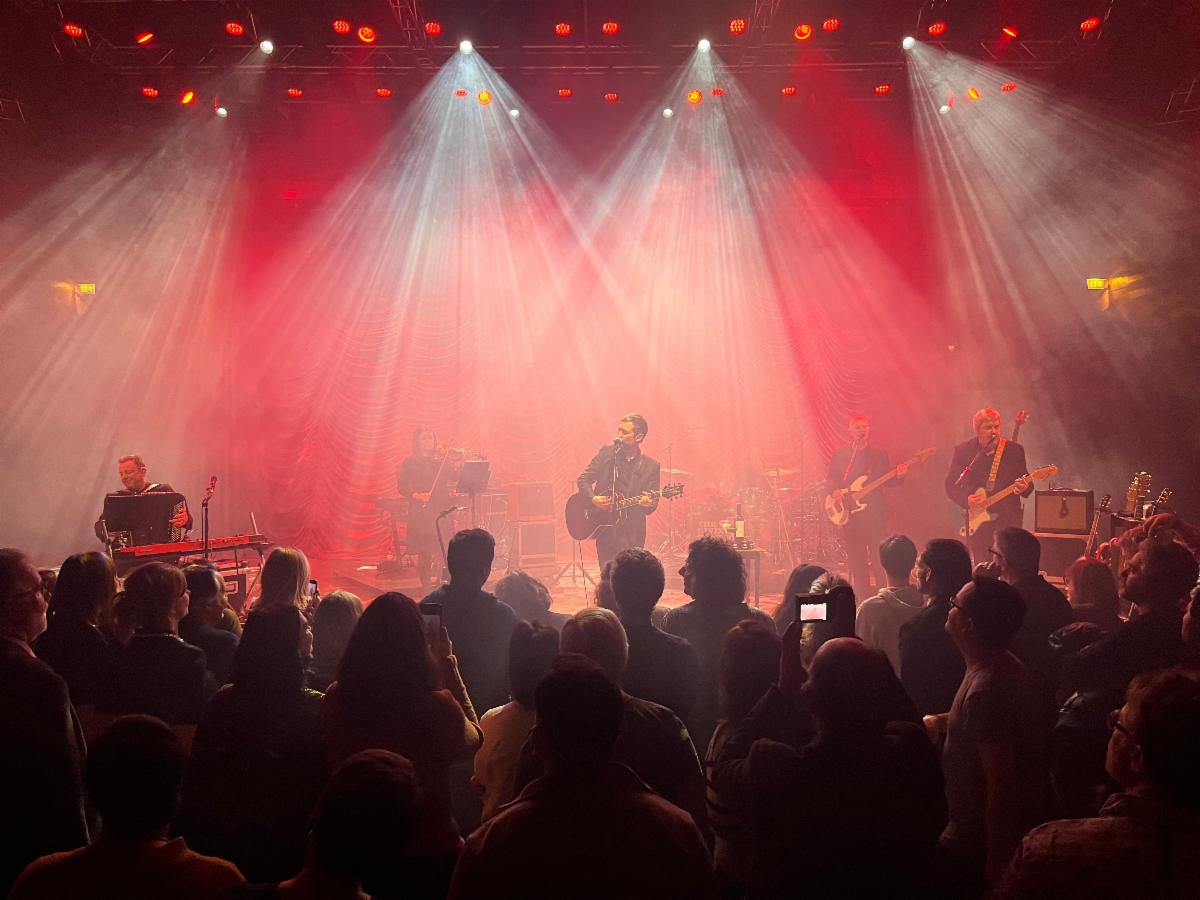
Divine Comedy was superb in Porto. 
(Those who asked if they could come with me, I wish I could have made it happen.)

Let’s mop up some housekeeping from a fortnight ago: taking notes into radio interviews. I’m dead against it, apart from some specific circumstances (eg a series of local interviews with a different set of stats for each region)…

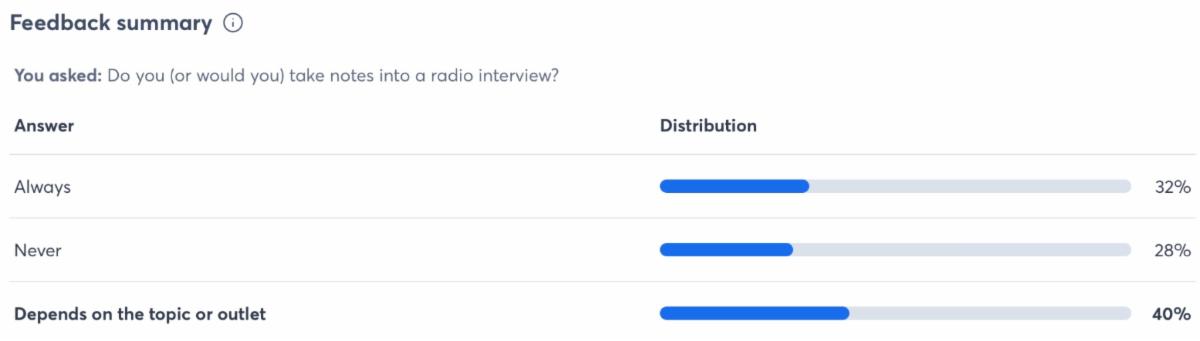
…but more importantly here’s how you feel:

The war in the Middle East will continue to dominate the news agenda, however also jostling for attention this week…

Monday
: Mark Carney visits the UK to meet with Keir Starmer.

Tuesday: Final vote in the Scottish Parliament on the assisted dying bill.


Wednesday: All eyes on the mighty Newcastle United in the Champions League round of 16 second leg. (Some other teams are also playing.) 


Thursday: Covid-19 Inquiry module 3 report published.

UK interest rate decision.


Friday: Full inquest opens into death of Ricky Hatton.


Saturday: SNL UK launch.


Sunday:
Italian referendum on judicial reforms.

Down-The-Line interviews…


I spent an afternoon last week recording a series of down-the-line TV interviews. A couple of tips…

1) If the earpiece falls out mid-interview, odds are it will fall out again. Put it back in then keep your hand against your ear. Viewers know exactly what is happening, it means you can focus on your content rather than worry about it happening again. 

2) Ask the camera operator how much of you is in shot. If it’s tight you don’t need to worry about your hands. If it’s wider, then be mindful they don’t keep popping into shot every so often which distracts. Don’t put your hands behind your back and never put them in your pockets.

3) Feel the weight in the bottom of your feet before the interview starts. People have a tendency to start swaying during live interviews. 

4) Keep your eyes on the camera lens at all times. This feels unnatural. Trust me, it’s really important. 

5) There’s often a lot of waiting around with your ear-piece in and microphone on. Think about how to fill that time without getting increasingly nervous. Focus on your key messages or something else entirely, but be mindful of, and ready for a fairly long wait…

“The image of a tightrope going across a very high canyon is reasonably appropriate. There’s some joy to be had, but we’re in an age where weaponisation is rife.”

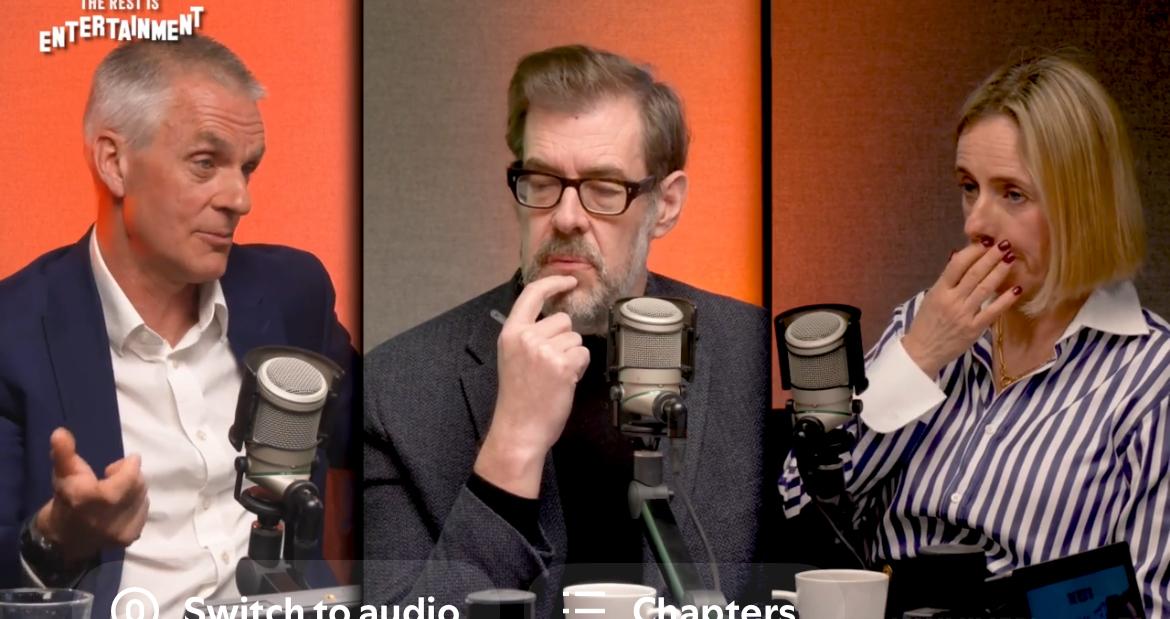
Outgoing BBC DG Tim Davie answers questions from Marina Hyde, Richard Osman and listeners on The Rest Is Entertainment pod. 


He comes across as pretty likeable. No jaw-dropping newslines, but interesting sections on the License Fee, charter renewal, accountability, Glastonbury, the BAFTAs, impartiality, the BBC board,

competition from streamers:


”There are three things we do that streamers don’t: (1) pursue truth with no agenda, (2) our commitment to UK content and UK IP, and (3) the fact we are here to bring people together, be it civilised debate or a sporting event.” 


and t
he ideological case for the BBC: 


It is existential. I don’t think the BBC has a right to exist. It has to deliver value to every household.” 

Available (as they say) wherever you get your podcasts. I’d be interested to hear how you think he comes across.

Footnotes:

According to Politico’s always excellent London Playbook email Downing Street is shaking up the long-standing news grid that dictates government comms. Comms SpAds have been presented with a plan for No.10 to tell its biggest stories over longer periods and via more varied channels.

Roger Matthews, one of the FT’s finest foreign correspondents and editors in a career spanning more than three decades, has died. He was the paper’s Middle East editor for many years and his thoughtfully written obit feels timely, given current news events. 

Here’s the link. (Hopefully it hasn’t disappeared behind the paywall.)

On This Day: Harold Wilson, Labour leader for 13 years and Prime Minister for almost eight, announced his resignation to a shocked nation on this day in 1976.

Busy week ahead for us: London, Manchester and Brighton.

The Mutt Photo:

Be part of the MMB. Thoughts on this week’s content, or interviews you’ve seen, heard, or (best of all) done, please let us know.

Back next Monday. Have a super week.

All at Inside Edge

LinkedIn  Twitter

Inside Edge Training | The Centre, 201-203 London Road | East Grinstead , RH19 1HA GB

By |18 March 2026|

Media Training Update w/c 2nd March

You Have Got That Wrong Nick


Edition 527

Good morning, it’s Monday 2nd March.

If I had 50p for every time I’ve heard someone say “I prefer radio as I can take my notes in” I’d have enough to retire to a cottage with absolutely no wifi on the Northumberland coast with the dogs.

But have a listen to this testy exchange between Nick Robinson and Heidi Alexander in the hours after the Gorton and Denton by-election result.

I get it. She’s the cabinet minister tasked with explaining away a disastrous result. The on air dynamics are already unique, however it reinforces my view that – whoever you are – presenters hate it when interviewees rock up armed with a tight page of talking points, and adjust the tone they take with you accordingly.

Do you (or would you) take notes into a radio interview?

Monday: Closing statements in ‘Dieselgate’ trial over VW emissions tests

Tuesday: Chancellor Rachel Reeves delivers Spring forecast

Vigil marks five years since Sarah Everard was abducted


Wednesday: Andy Burnham delivers speech on ‘Manchesterism’


Thursday: China’s National People’s Congress plenary session opens


Friday: Public funeral for civil rights activist Jesse Jackson


Sunday: ICC Men’s T20 World Cup final

The lead up to a live interview…

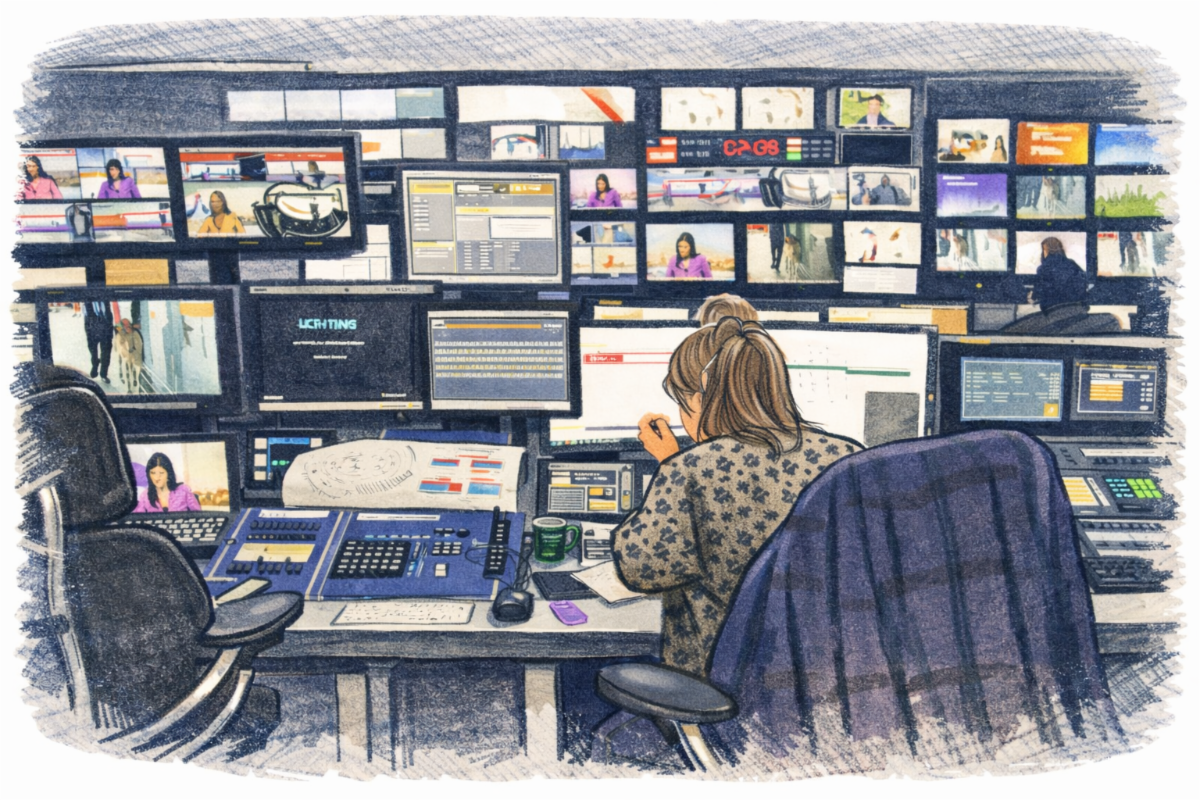
1) Beware of careless chatter with the producer on the way to the studio

It can often be a fairly long walk from reception to studio. Keep the conversation banal. Don’t reveal confidential information, doubts about the veracity of your evidence, or whether you are the right person to be doing the interview. I’ve heard all of these over the years.


2) Expect to be kept waiting

It’s always worth checking as soon as you arrive whether the running order is on schedule. Accept (within limits) that a delay is inevitable in live broadcasting – if you let it get to you, you’ll invariably be in the wrong headspace when the interview finally takes place.


3) Assume every microphone is open and every camera is live

The internet is littered with examples of those whose reputation has been undermined by an ill-thought and off-the-cuff remark meant for closed doors but broadcast to the world.


4) Expect to be ignored by presenters in the lead-up to your interview

Particularly if you are part of a live sequence, programme junctions used to bring guests in and out of studios are often crucial opportunities for presenters to clarify urgent issues with the gallery. Their last priority is to make sure you are feeling at ease in the moments before the red light goes on.


5) Remember what you had for breakfast

This sounds ridiculous but it’s the sort of information you are often asked for by sound engineers who want to gauge the level on your voice. Say more than “toast”. Even if that’s all you had. Make something up – engineers normally need at least a sentence, and in the breakfast context we reckon that means describing the Full English.

Footnotes:

“Artificial Intelligence is fundamentally reshaping how content is created, distributed, discovered and monetised. We believe we need to come together to protect original journalism and secure the long-term sustainability of our industry.”

The threat to journalism from AI:
read the open letter with signatories including the BBC, Sky, the FT and The Guardian.

On This Day: The supersonic airliner Concorde made a “faultless” maiden flight on this day in 1969.

For the third week in a row we’re back in Milton Keynes. And London.

The Mutt Photo:

Be part of the MMB. Thoughts on this week’s content, or interviews you’ve seen, heard, or (best of all) done, please let us know.

We’re taking a break next Monday to go and see the mighty Divine Comedy live in Porto.

Have a super fortnight.

All at Inside Edge

LinkedIn  Twitter

Inside Edge Training | The Centre, 201-203 London Road | East Grinstead , RH19 1HA GB

By |2 March 2026|

Media Training Update w/c 23rd February

Six Frames In All


Edition 526

Good morning, it’s Monday 23rd February.

The inside track from Reuters on how their photographer captured history.

…The Off Air Briefing 

This short telephone chat with a producer in the lead-up to going on air can be a brilliant way to control the flow of information. Here are some tips: 


1) Be proactive 
Some producers will demand off-air briefings, but many won’t. When the idea of an interview is first mooted, always request a short telephone interview with the producer assigned the story 


2) Be prepared

A bad off-air briefing will leave the producer more confused at the end of the call than they were at the beginning. Work out the direction you want the interview to go in before you pick up the phone 


3) Don’t be too subtle

Preface your key content with phrases like “What’s new about this is…” or “the real game-changer here is…” 


4) Ask questions

An off-air briefing is a chance for you to build a logistical picture about the interview. Questions might include: “is the interview live or pre-recorded?” “Are other guests expected?”


Monday: Schools White Paper expected

Tuesday: Donald Trump delivers State of the Union address

Fourth anniversary of Russia’s full-scale invasion of Ukraine


Wednesday: Ofgem announces quarterly change to energy price cap


Thursday: Gorton and Denton by-election

Hillary Clinton deposed as part of US House investigation into Jeffrey Epstein


Immigration statistics for year ending December 2025


Friday: Bill Clinton deposed as part of US House investigation into Jeffrey Epstein


Saturday: BRIT Awards

The results of You The Editor from last week:

The news the King will “stand ready to support” the police over allegations regarding his brother breaks just before you go to air. All day there has been a febrile atmosphere in Westminster – with Anas Sarwar calling on the PM to go.

48% of you would have led with the King on the BBC’s 6 o’clock bulletin, 43% of you would have led with Starmer. (For what it’s worth, Starmer edged it for me…just.)

Which means 9% voted for Something Else. I suspect you’re the naughty ones at the back trying to get a rise out of teacher, but I honestly can’t fathom what on earth you would have led with if not one of these two.

(By the way, nearly 400 of you took the trouble to vote which is amazing – thanks.)

I suspected last week’s reader view on the Washington Post-Bezos saga wouldn’t be the last word…

Here’s a very different take from reader Dennis:

Well, that’s an interesting response to last week’s comment on Bezos and the Washington Post. To my mind, the difference in perspective comes from regarding journalism either as a commercial venture or as a public service. In many ways, it is both. The former perspective gives rise to arguments about the need to sell newspapers and give readers what they want, the latter gives rise to concerns about the rich and powerful interfering in the independence and viability of the paper. 

The quotation in your newsletter doesn’t say what it is that readers want. I’m not a reader of the Washington Post, but I want journalists reporting with integrity. Academia and journalism have in common that they can, and in my view should, speak truth to power. When Bezos ruled that the paper’s opinion pages would promote free markets and individual liberties and nothing else (an intervention so notorious that it now appears on the Wikipedia page for the Washington Post), this was not about speaking truth to power, and probably had more to do with what Jeff Bezos wants than with what readers want. Firing Lizzie Johnson while she is reporting from Ukraine, as you and The Guardian both report, also seems unlikely to be something that readers want. 

I think I lean more towards the journalism-as-public-service perspective. I’m not convinced that the foremost aim of journalism should be to provide what readers want. But I am convinced that the foremost aim of journalism should not be to reflect what owners want. 

Any more for any more?

Footnotes: 


Radio listening figures. Top Lines from last week: 


The LBC Brand overall saw a record reach of 3.4 million weekly listeners (up 2% year on year and month on month).


BBC Radio 4’s Today breakfast news programme saw weekly reach fall 5% year on year to 5.5 million listeners.


BBC Radio 5 Live’s breakfast show grew 5% year on year to 1.5 million weekly listeners.

(source: Press Gazette)

On This Day: The US flag was raised over Iwo Jima on this day in 1945.

We’re back in Milton Keynes for a chunk of this week, via London on Monday.

The Mutt Photo: 


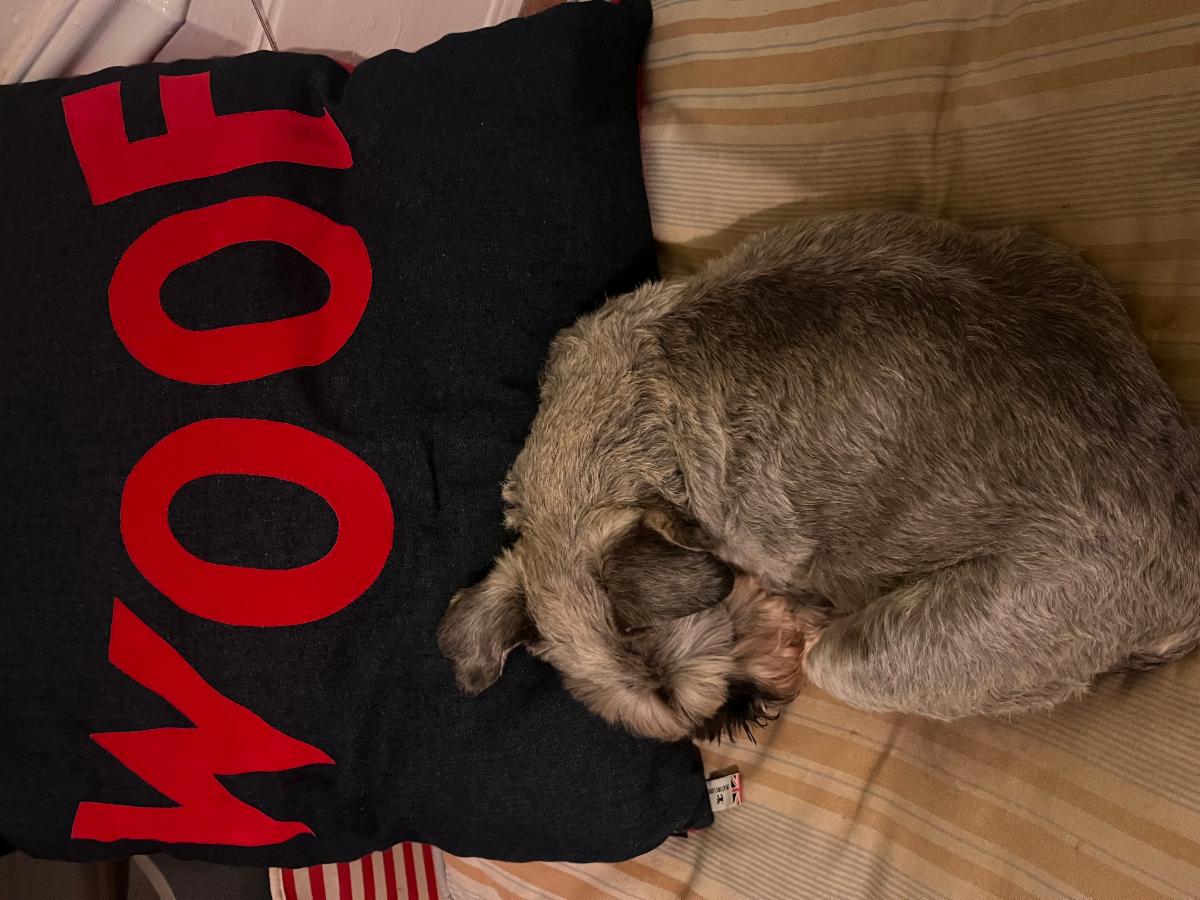
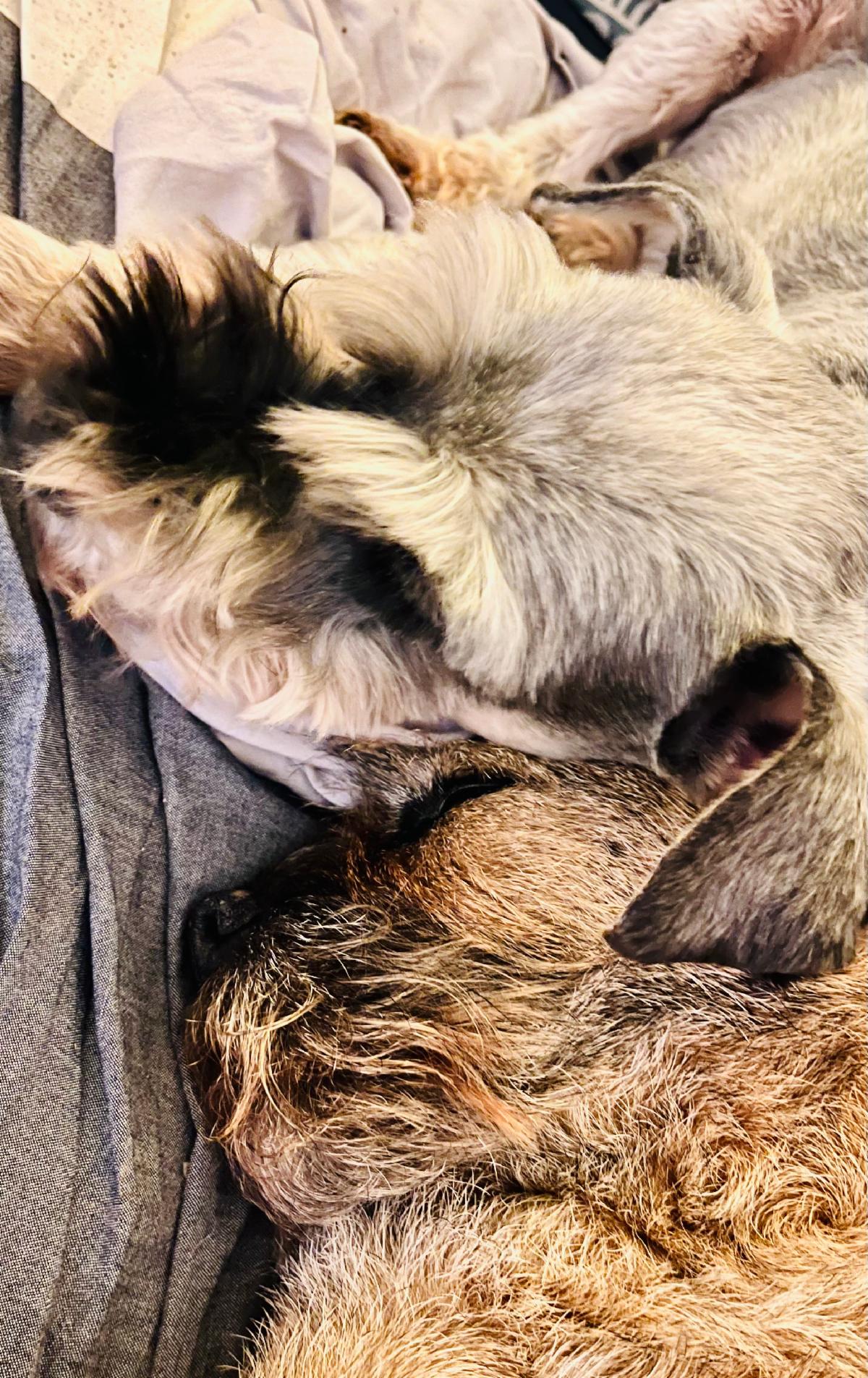
From last Sunday afternoon, as the rain teemed down outside. Best mates and without a care in the world…

Be part of the MMB. Thoughts on this week’s content, or interviews you’ve seen, heard, or (best of all) done, please let us know.

Back next Monday. Have a super week.

All at Inside Edge

LinkedIn  Twitter

Inside Edge Training | The Centre, 201-203 London Road | East Grinstead , RH19 1HA GB

By |23 February 2026|

GET IN TOUCH

LET’S DISCUSS YOUR REQUIREMENTS

    Name

    Organisation

    Your Email

    Your Message

    Go to Top