You Have Got That Wrong Nick


Edition 527

Good morning, it’s Monday 2nd March.

If I had 50p for every time I’ve heard someone say “I prefer radio as I can take my notes in” I’d have enough to retire to a cottage with absolutely no wifi on the Northumberland coast with the dogs.

But have a listen to this testy exchange between Nick Robinson and Heidi Alexander in the hours after the Gorton and Denton by-election result.

I get it. She’s the cabinet minister tasked with explaining away a disastrous result. The on air dynamics are already unique, however it reinforces my view that – whoever you are – presenters hate it when interviewees rock up armed with a tight page of talking points, and adjust the tone they take with you accordingly.

Do you (or would you) take notes into a radio interview?

Monday: Closing statements in ‘Dieselgate’ trial over VW emissions tests

Tuesday: Chancellor Rachel Reeves delivers Spring forecast

Vigil marks five years since Sarah Everard was abducted


Wednesday: Andy Burnham delivers speech on ‘Manchesterism’


Thursday: China’s National People’s Congress plenary session opens


Friday: Public funeral for civil rights activist Jesse Jackson


Sunday: ICC Men’s T20 World Cup final

The lead up to a live interview…

1) Beware of careless chatter with the producer on the way to the studio

It can often be a fairly long walk from reception to studio. Keep the conversation banal. Don’t reveal confidential information, doubts about the veracity of your evidence, or whether you are the right person to be doing the interview. I’ve heard all of these over the years.


2) Expect to be kept waiting

It’s always worth checking as soon as you arrive whether the running order is on schedule. Accept (within limits) that a delay is inevitable in live broadcasting – if you let it get to you, you’ll invariably be in the wrong headspace when the interview finally takes place.


3) Assume every microphone is open and every camera is live

The internet is littered with examples of those whose reputation has been undermined by an ill-thought and off-the-cuff remark meant for closed doors but broadcast to the world.


4) Expect to be ignored by presenters in the lead-up to your interview

Particularly if you are part of a live sequence, programme junctions used to bring guests in and out of studios are often crucial opportunities for presenters to clarify urgent issues with the gallery. Their last priority is to make sure you are feeling at ease in the moments before the red light goes on.


5) Remember what you had for breakfast

This sounds ridiculous but it’s the sort of information you are often asked for by sound engineers who want to gauge the level on your voice. Say more than “toast”. Even if that’s all you had. Make something up – engineers normally need at least a sentence, and in the breakfast context we reckon that means describing the Full English.

Footnotes:

“Artificial Intelligence is fundamentally reshaping how content is created, distributed, discovered and monetised. We believe we need to come together to protect original journalism and secure the long-term sustainability of our industry.”

The threat to journalism from AI:
read the open letter with signatories including the BBC, Sky, the FT and The Guardian.

On This Day: The supersonic airliner Concorde made a “faultless” maiden flight on this day in 1969.

For the third week in a row we’re back in Milton Keynes. And London.

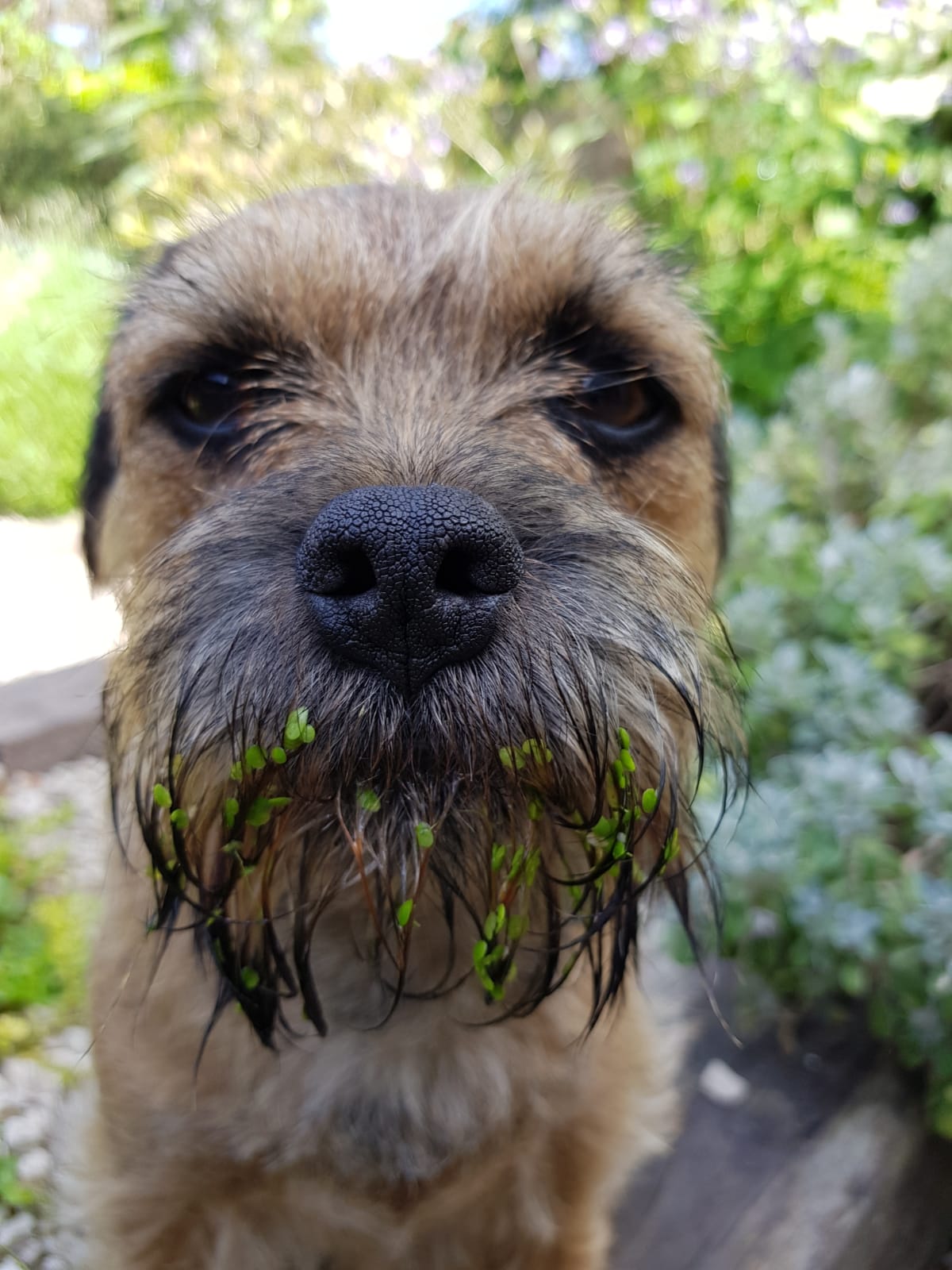
The Mutt Photo:

Be part of the MMB. Thoughts on this week’s content, or interviews you’ve seen, heard, or (best of all) done, please let us know.

We’re taking a break next Monday to go and see the mighty Divine Comedy live in Porto.

Have a super fortnight.

All at Inside Edge

LinkedIn  Twitter

Inside Edge Training | The Centre, 201-203 London Road | East Grinstead , RH19 1HA GB